







Search Results for: AFCA award-winning beans
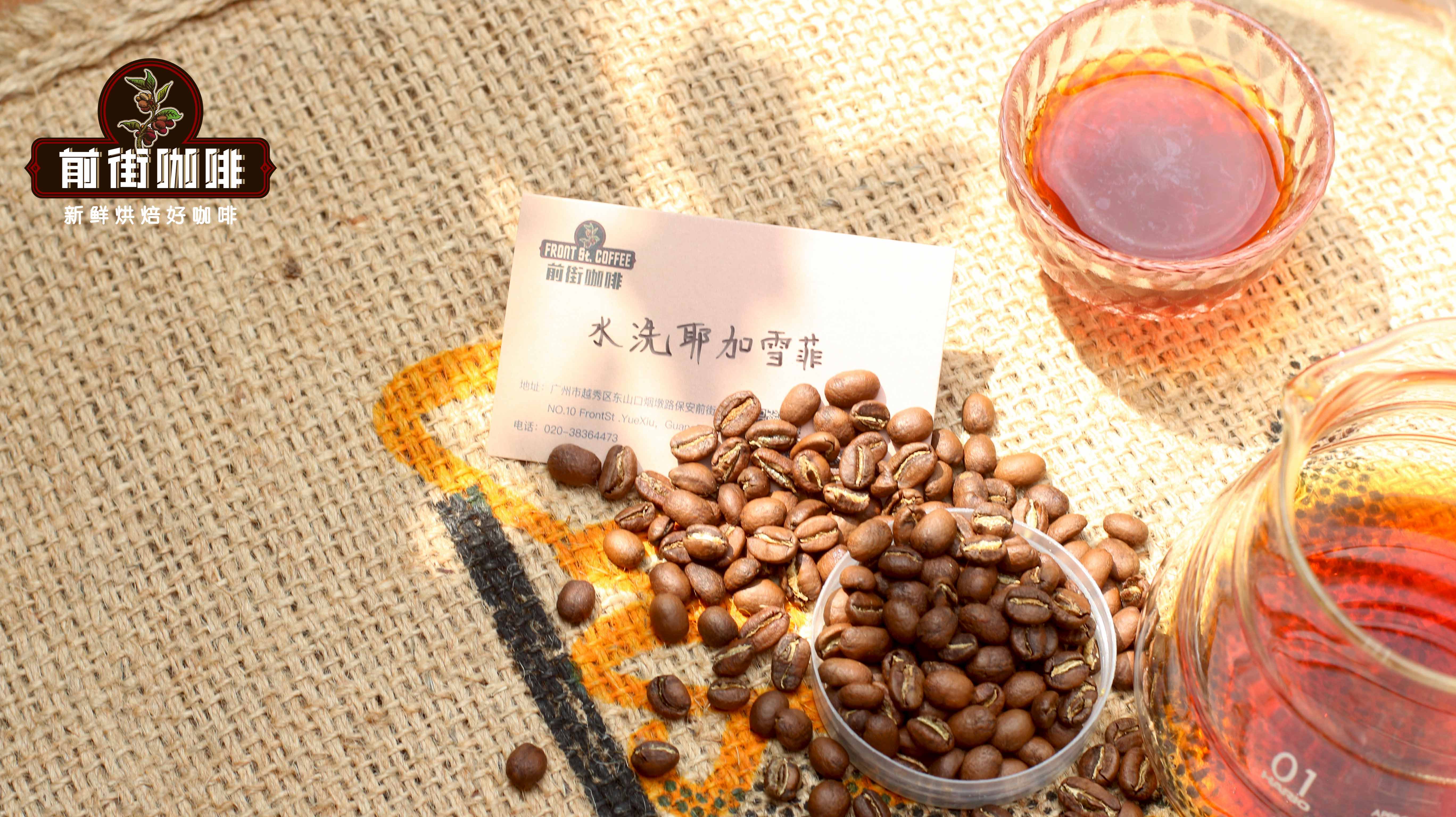
Ethiopia Limu Region Natural Coffee Beans Pour-Over Recommendation: AFCA Third Place "Tianlai" Flavor Analysis
For friends who are obsessed with pour-over coffee, Ethiopia is always an origin that can't be avoided. Besides the well-known Yirgacheffe and Sidamo, the Limu region is quietly rising with its unique flavors. The Limu Tianlai natural bean introduced in this article comes from the Kosagessi Farm and won third place in the AFCA African Fine Coffee Competition. It features layers of strawberry, passion fruit, and winey ripe fruit, with a delicate and charming finish, and it performs well whether as espresso, pour-over, or siphon. The article will explain its brewing parameters and regional background in detail, and compare its flavor with Front Street Coffee's Yirgacheffe and Front Street Coffee's Sidamo, helping you find a new choice beyond your everyday staple. [more…]
2024 Ethiopia TOH Green Bean Competition: A Full Analysis of the Champion Origins in the Natural, Washed, and Honey Processing Categories
Africa, as the core region of the coffee-growing belt, has nurtured many high-quality coffee-producing countries, among which Ethiopia is widely recognized as the birthplace of coffee. The African Fine Coffees Association (AFCA), established in 2000, launched the Taste of Harvest (TOH) competition, whose format is similar to that of the Cup of Excellence (COE) and is divided into national competitions and the Africa regional final. In 2024, the Ethiopia TOH competition was held in Addis Ababa, with a total of 75 companies and 212 Arabica coffee entries participating. This article will introduce in detail the origin backgrounds and processing details of the natural group champion Testi Trading Plc, the washed group champion Eseham Trading plc, and the honey process group champion Yihonal Trading plc, and will also include relevant recommendations from Front Street Coffee. [more…]
African Fine Coffees Association (AFCA) and the Taste of Harvest (TOH) Competition: A Full Analysis of the Competition That Made Ethiopia's Huakui Coffee Beans Famous
Ethiopia, as Africa's largest coffee-producing country and the widely recognized birthplace of coffee, is deeply favored by enthusiasts for its distinctive floral and citrus flavor notes. When it comes to the representative of Ethiopian natural-process beans, many people immediately think of "Huakui." This naturally processed coffee from the Buku Abel washing station in the Guji Hambela region rose to fame after winning the natural-process category at the 2017 TOH green bean competition. So what exactly is the TOH competition? And what kind of organization is AFCA, its organizer? This article will walk you through the membership structure of the African Fine Coffees Association, the competition format and tiers of the TOH, and how the event helps African coffee-producing countries improve quality and expand international trade. [more…]

The African Coffee Association calls for increasing the share of specialty process coffee exports and reducing traditional process exports.
At the 20th African Fine Coffee Conference held in Addis Ababa, officials from the African Coffee Association (AFCA) issued a clear call to traders: efforts should focus on promoting the export of specialty-processed coffee and gradually reducing the share of traditionally processed coffee in the international market. AFCA pointed out that Africa possesses world-class coffee resources, yet weak marketing and a single processing approach have made it difficult for growers to obtain fair returns. To change this situation, the association recommends that exporting countries strengthen brand building, upgrade processing technology, and pay close attention to external factors such as the EU Deforestation Regulation. Africa's coffee industry stands at a crossroads of transformation, and how to break through amid climate change and market access challenges has become the focus of attention for all parties. [more…]
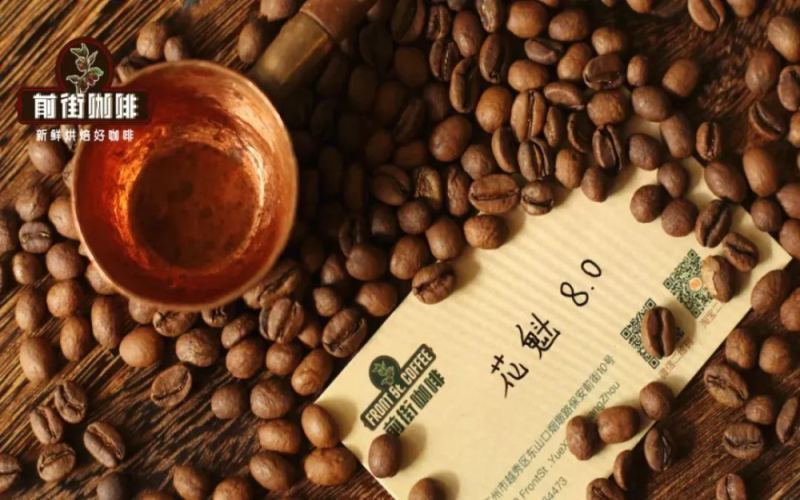
Analysis of the Africa Harvest Season Flavor Competition TOH: How did Huakui Coffee win the championship in one fell swoop?
Ethiopia, as Africa's largest coffee-producing country and the birthplace of coffee, is renowned worldwide for its coffee's floral and citrus notes, thanks to its exceptional natural conditions. When it comes to the representative of Ethiopian natural-process beans, many people first think of "Floral Queen." This coffee, from the Buku Abel processing station in the Guji Hambela region, rose to fame after winning the 2017 TOH green bean competition. What exactly is the TOH competition? How does it differ from the COE Cup of Excellence? How does the African Fine Coffees Association (AFCA) organize this grand event? This article will give you a comprehensive understanding of the TOH Harvest Season Flavor Competition—its origins and development—as well as the rise to fame of Floral Queen coffee. It will also introduce the flavor profile of Floral Queen 8.0, currently available at Front Street Coffee. [more…]

Ethiopian Limu Coffee Green Bean Processing Methods, Flavor Characteristics, and G2 Grade Price Reference
Limu is a low-yield but distinctive coffee-producing region in Ethiopia. In the past, its coffee was mainly exported to European and American markets, making it hard to find domestically. This article takes a Front Street Limu Tianlai natural sun-dried coffee bean that won third place in the AFCA African Fine Coffees competition as an example to introduce in detail its regional background, green bean processing method, flavor performance, and pour-over brewing parameters. Limu's flavor profile differs from Yirgacheffe and Sidamo: its body is thinner, and its floral and citrus aromas are slightly weaker, but it has an additional grassy aroma, cocoa aroma, and sandalwood note. The article also includes an introduction to the producing region, variety information, and brewing suggestions, making it suitable for coffee enthusiasts who want to explore Ethiopia's niche producing regions. [more…]
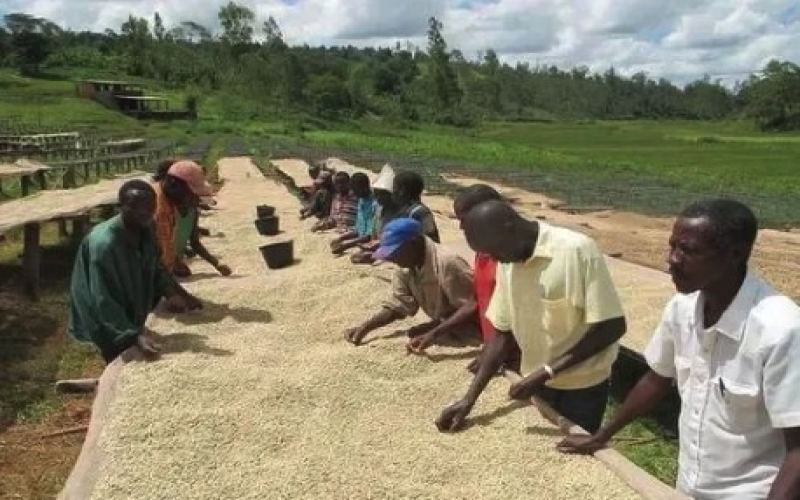
Officials of the African Coffee Association urged traders to specially handle the export of special processing method coffee.
Traders of the special processing method coffee should reduce the export of coffee with traditional processing methods. From February 6th to 10th, the 20th African Fine Coffee Conference and Exhibition was held in Addis Ababa, the capital of Ethiopia [more…]
Ethiopia Sidamo Washed Hero Coffee Beans: Flavor Layers and Mouthfeel Characteristics Explained
This washed Ethiopian Hero coffee bean brought to you by Front Street Coffee once won the 2019 TOH Washed Group championship, making it a premium bean with exceptional aroma, balance, and body. It displays refined, delicate flavor layers, a solid and well-balanced mouthfeel, and bright, uplifting acidity, with a cost-performance ratio comparable to Hambela. This article will detail the bean's origin background, TOH competition knowledge, and the floral-fruity aroma and juicy mouthfeel brought by washed processing, giving you a comprehensive understanding of the unique charm of heirloom varieties at 2,150 meters above sea level in the Sidamo Guji producing region. [more…]
2020 TOH Natural Group Champion: Ethiopian Aricha Lalo Coffee Bean Flavor and Origin Analysis
At the 2020 Taste of Harvest (TOH) Africa coffee competition, a natural coffee from the Armelelalu processing plant in the Konga region of Yirgacheffe, Ethiopia, scored 90.70 points to win the natural group championship and the overall championship. This bean uses heirloom varieties, is grown at an altitude of 2,200 meters, and undergoes anaerobic slow-dry natural processing, presenting rose floral notes, a fresh fruit-champagne quality, intense tropical fruit aromas, and a candied sweetness, with a round and smooth mouthfeel and a long-lasting sweet aftertaste. This article will guide you through the background of the TOH competition, detailed information about this champion bean, and why the Yirgacheffe region is hailed as synonymous with delicious coffee. [more…]
Ethiopia Guji Uraga Hero Washed Beans: 2019 TOH Champion Flavor Analysis and Pour-Over Parameter Guide
In 2019, the washed category crown at the Ethiopia TOH green bean competition went to a bean named "Hero" from the Uraga processing plant in the Guji region. It has a fascinating flavor profile weaving together jasmine, bergamot, lemon, apricot, and honey. Coffee Review gave it 88 points, it grows at an altitude of up to 2,150 meters, and it is washed processed and medium roasted. This article will guide you through the origin background of this champion bean, the uniqueness of Ethiopia's native Heirloom variety, and the significance of the TOH competition, and it also includes the pour-over parameters recommended by Front Street Coffee—90°C water temperature, a 1:15 coffee-to-water ratio, and extraction completed within two minutes—so you can recreate this bright floral aroma of the African highlands at home. [more…]
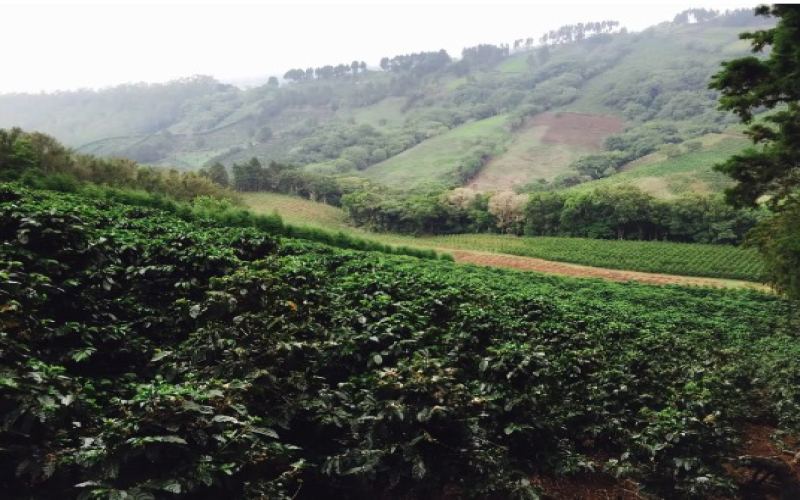
The 2024 COE ranking in Costa Rica, and the introduction of the award-winning variety, San Roque.
COE (Cup of Excellence) is one of the most authoritative fine coffee competitions globally, and also the first internet auction platform for globally award-winning coffee, which was organized and founded by the Alliance for Coffee Excellence (ACE) in [more…]
Wudong Duckshit Aroma Dancong Oolong Tea: Origin and Price Analysis—The Quality Code of an Award-Winning Phoenix Dancong
Duck Shit Aroma Dancong Oolong has been steadily rising in popularity in recent years, and the most sought-after among them is the Wudong Duck Shit Aroma produced in Wudong Village, Fenghuang Town, Chaozhou, Guangdong. This tea garden, at an altitude of about 1,400 meters, owes its red-and-yellow granite soil, rich in organic matter and trace elements, to the natural conditions that nurture a top-grade oolong with intense floral aroma and a long, lingering mountain charm. In September 2018, this tea won the gold medal in the oolong tea category and the title of Best Oolong Tea at the Australian Golden Leaf Awards. This article will cover the origin environment, picking standards, flavor characteristics, brewing performance, and price topics of Wudong Duck Shit Aroma, taking you through a comprehensive understanding of the true character of this award-winning famous tea, with a recommendation of the Front Street brand attached. [more…]

Taiwan Specialty Coffee Evaluation Ranking Disrupted by Coding Errors; Organizer Admits System Failure and Compensates the Difference
Every year, global coffee production is enormous, and different regions and processing methods give coffee beans an endless variety of flavors. Rather than trying blindly, many enthusiasts choose to buy award-winning beans from competitions directly, which ensures quality and lets them experience the award-winning flavors. Coffee farmers also hope to achieve good rankings through competitions to increase the selling price and reputation of their green beans. However, a specialty coffee evaluation in Yunlin County, Taiwan, for self-produced beans was disrupted by a computer system failure that scrambled the codes linking entrants to coffee beans, causing errors in the previously announced rankings: a Grand Prize winner became a Gold Award winner, drawing attention. The organizers urgently corrected the list and promised to pay the bonus difference, but the credibility of the competition still faces a test. [more…]
A Complete Guide to Panama Santa Teresa Estate Coffee: The Flavor and Award-Winning History of Boquete-Grown Catuai Washed Beans
Located at the border between Panama and Costa Rica, Hacienda Santa Teresa is a hundred-hectare high-altitude coffee estate. Owner Juan Pablo Berard and his daughter Maria Luisia manage this land together, deliberately preserving twenty-five hectares of primary forest as a habitat for wildlife. The estate cultivates varieties such as Caturra, Catuai, and Geisha, and thanks to the volcanic black soil and the dual climates of the Pacific and Atlantic, it nurtures diverse micro-lot specialty coffees. The estate has repeatedly achieved outstanding results in Panama's annual Cup of Excellence (CoE) competition and was even selected in 2012 by the World Brewers Cup champion. This article will guide you through the estate's geography, cultivation philosophy, the flavor expression of its washed Catuai, and its award-winning records over the years, offering an in-depth look at the charm of this quintessential washed Panamanian coffee. Front Street Coffee also recommends paying attention to this estate's lots. [more…]
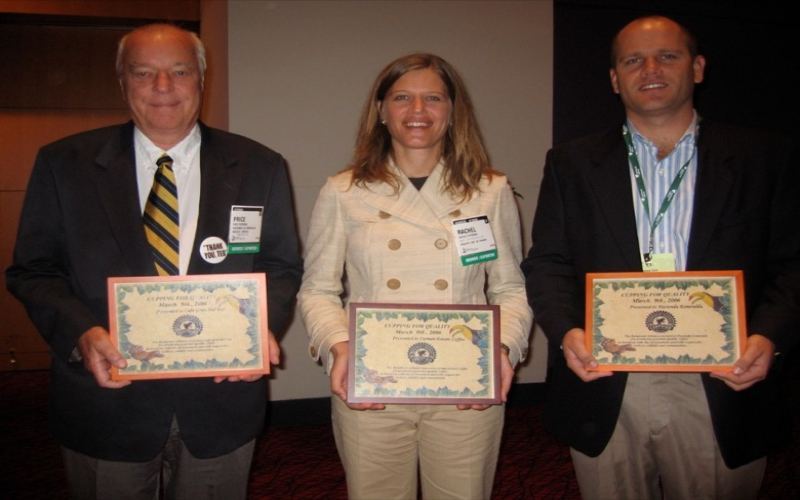
Starting with BOP award-winning estates, learn to taste a bean with a pedigree
In the world of specialty coffee, Panama's BOP green bean competition carries a lot of weight. Every year when the rankings are announced, coffee lovers set their sights on the beans from the winning estates. These estate beans are prized for the terroir and craftsmanship behind them, and once you've bought them, there's actually a set of steps you can follow to taste and brew them in a way that does justice to what's in the cup. [more…]
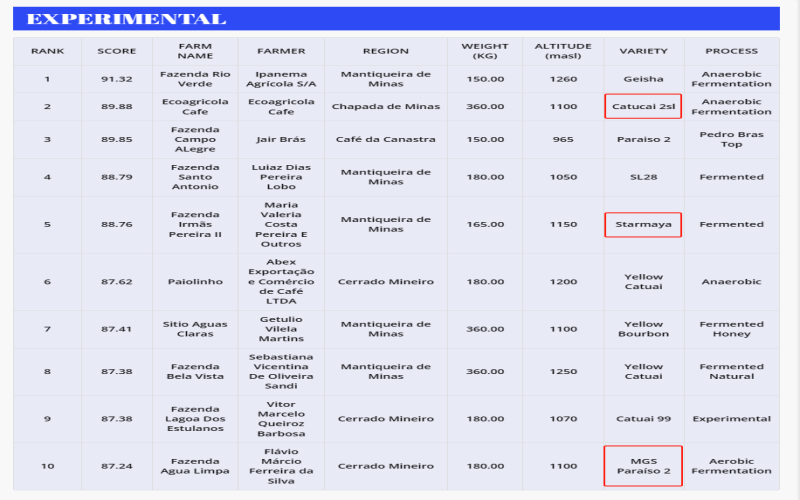
Analysis of Rare Award-Winning Coffee Varieties at Brazil's Cup of Excellence: Variety Characteristics of MGS Paraíso 2, Catucaí 2SL, and Starmaya
In this year's COE competition, the Brazil region stands out as particularly distinctive. Not only have the competition rules been adjusted, but the winning varieties also differ greatly from those of other coffee-producing countries, which is especially evident in the experimental processing group: the winning bean varieties are almost never repeated, and most are not well known to the general public. This article will focus on three standout varieties—MGS Paraíso 2, Catucaí Amarelo 2SL, and Starmaya—and outline their origins, agronomic performance, and flavor potential. For enthusiasts concerned with coffee variety diversity, this information is especially worth noting. Front Street Coffee will also continue to follow up on the introduction and evaluation of related bean varieties in subsequent content. [more…]
Kenya Coffee Region Cupping Report: A Full Analysis from Geography and Terroir to Front Street Coffee's TOH Award-Winning Green Beans
Kenya, as a neighbor of Ethiopia, has a coffee-growing history that dates back to 1893, and was later promoted by the British for large-scale cultivation in the highland areas at altitudes of 1,400 to 2,100 meters. The volcanic ash soil rich in organic matter, annual maximum temperatures of 22 to 26°C and minimum temperatures of 10 to 14°C, along with suitable rainfall, together create ideal growing conditions for high-quality Arabica coffee beans. Thanks to its natural endowments and the joint efforts of coffee farmers and the government, Kenya became one of the world's major coffee countries within just a century. Its coffee is deeply favored by coffee lovers for its rich fruity aroma, strong red wine notes, and abundant, lingering aftertaste. This article will systematically introduce the cupping situation of Kenyan coffee-producing regions, and attach detailed information on Front Street's 2017 TOH Best Kenya green beans, as well as green bean information and flavor descriptions for the 2016 Brazil COE Natural Champion and the Guatemala COE 4th place Geisha Honey Process. [more…]

Panama Elida Estate Natural Geisha Auction Lot: A Full Flavor Analysis of the 2017 Best of Panama Award-Winning Estate
In the Boquete production region of Panama, there is a legendary estate named after the estate owner's wife—Elida Estate. Since its founding by Robert Lamastus in 1918, four generations of the Lamastus family have remained committed to the cultivation and production of high-quality coffee, and today they have even expanded their holdings to the family's fifth estate, Trompo Estate. In 2017, Elida Estate's Geisha Natural competition lot won the Best of Panama award, and Front Street Coffee conducted a cupping immediately after completing the roast. This coffee displays rich layers of pomegranate, peach, white floral notes, grape, and black tea, with extremely high sweetness, rounded acidity, a silky mouthfeel, and a pronounced tea-like finish. As the temperature changes, the flavor transitions from peach sweetness to apricot, and the juicy quality becomes increasingly full. This article will take you deeper into the history and heritage of this century-old estate and the complete flavor expression of this competition lot. [more…]
Regional Differences and Flavor Characteristics of Tanzanian Coffee Beans, with a Discussion of the Award-Winning Background of Kilimanjaro Peaberry
Tanzania is an important coffee-producing country in East Africa, and its coffee is known for its soft acidity, raisin-like sweetness, and red wine notes. This article begins with the blend sources of Front Street Tanzania coffee, sorts out the flavor differences among producing regions such as Kilimanjaro in the north and Ruvuma in the south, and introduces the history of the introduction of Bourbon and Kent varieties, the washed processing method, and the causes and grading of peaberry (PB). It also reviews the history of the country's coffee industry, which has experienced ups and downs due to political conditions and pests and diseases, as well as the shift from estate dominance to the rise of smallholder cooperative organizations. The article also includes specific product information and tasting notes for Front Street Kilimanjaro Peaberry, making it suitable for coffee lovers to gain a comprehensive understanding of the unique characteristics of Tanzanian coffee. [more…]
An In-Depth Review of Panama Geisha Coffee: From Award-Winning Estate Beans to a Complete Guide to Hand-Brewed Iced Coffee
Geisha, a variety that overturned coffee judges' perceptions with its delicate floral aroma and fruity acidity, has profoundly influenced the direction of specialty coffee development over the past eighteen years. It originated from the Kaffa forests of the Gesha region in Ethiopia, then traveled through Kenya, Uganda, Tanzania, and Costa Rica, ultimately taking root and flourishing in Panama. This article will guide you through the varietal characteristics and historical trajectory of Geisha, and using Front Street Coffee's Panama Boquete Washed Geisha as an example, share in detail the entire process from roasting philosophy to iced pour-over practice, including specific parameters such as grind size, water temperature, and pouring technique, helping you better appreciate this bean's floral aroma, fruity acidity, and tea-like sweet aftertaste. [more…]